




The Netherlands counts roughly 1.2 million self-employed professionals without staff (ZZP'ers), about 12% of everyone at work (CBS, 2025). Most of them started freelancing for the freedom to work from anywhere. So why are so many of them now looking for an office?
Because "anywhere" quietly turned into "the same kitchen table, every day, alone." This guide explains why a workspace still matters when you're your own boss, what to look for, and how the different options at Unusual Office in Utrecht map to the way freelancers actually work.
Do freelancers really need an office if they can work from home?
Short answer: yes — not for the desk, but for the focus, credibility, and community that a home office can't give you. A laptop and Wi-Fi cover the where of work. They don't cover the how well. A dedicated workspace separates your job from your living room, signals professionalism to clients, and puts other people around you again.
The data backs this up. Fully remote workers report loneliness at 25%, versus 16% for people who work on-site (Gallup, 2024), and a 2024 Science study linked the rise of remote work to roughly a third of the recent increase in isolation and mental distress. Freedom is worth keeping — but not at the cost of your focus and wellbeing.
What does working from home actually cost you?
Home working feels free, but it charges you in ways that don't show up on an invoice:
Blurred boundaries: When your office is your home, work never fully ends. Evenings and weekends get eaten one "quick reply" at a time.
Shrinking focus: Your brain never switches into work mode because the environment never changes. Laundry, doorbells, and the fridge all compete with your deadline.
Isolation: Weeks can pass without a real professional conversation — and your best ideas end up trapped in a notes app.
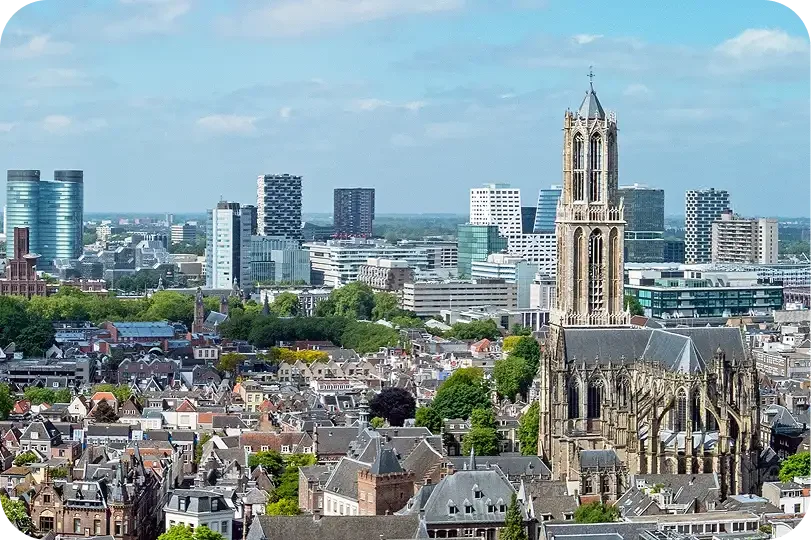
A credibility gap: "I work from home" and "my office is in central Utrecht" land very differently when a client is deciding whether to trust you with a big project.
An office solves all four at once. The trick is choosing the right kind of office for how you work.
What should a freelancer look for in a workspace?
Five things separate a workspace that helps from one that just costs money:
Flexible terms: pay by the day, week, or month, so your workspace scales with your workload instead of locking you into a lease.
A choice of settings: a quiet private room for client calls, a fixed desk for deep work, or an open floor for the days you want energy around you.
A real community: people who refer work, sanity-check ideas, and understand your week.
Client-ready facilities: bookable meeting rooms, an event space, and a professional address that make a one-person business look serious.
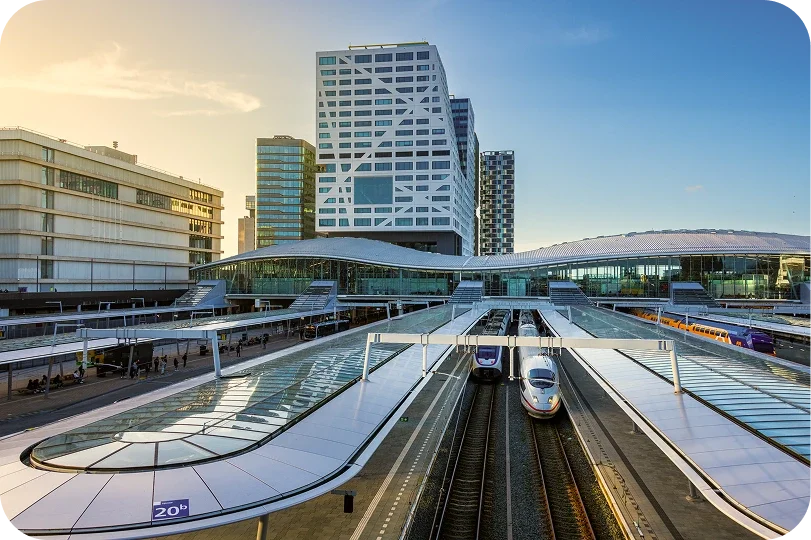
A location people can reach: central, well-connected, with somewhere decent to grab coffee.
Here's how those needs line up with what Unusual Office offers.